Beyond the Frontiers 2026: Why the Future Belongs to Systems Thinkers Guided by Values
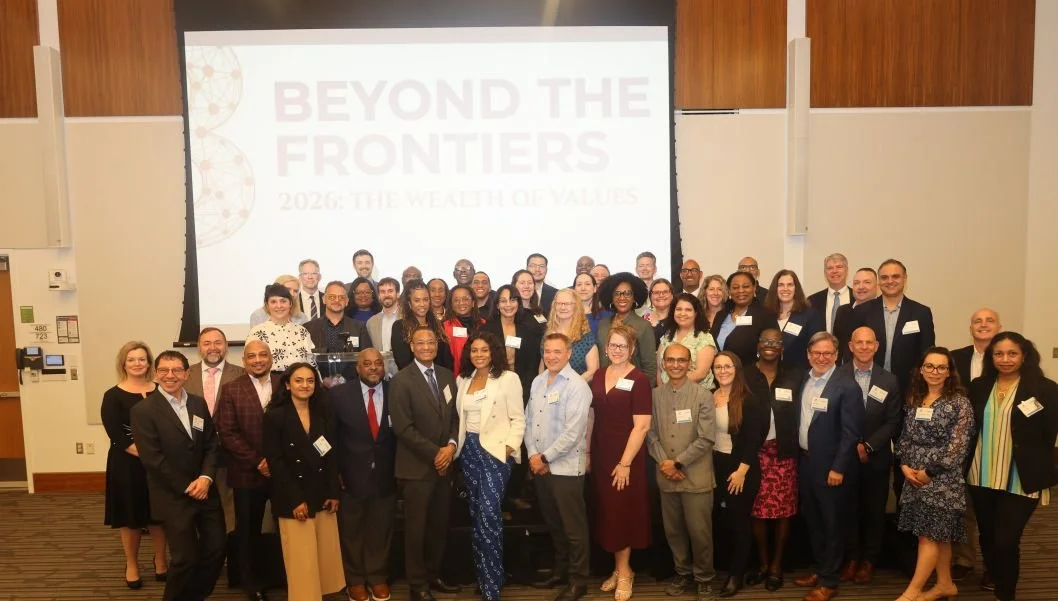
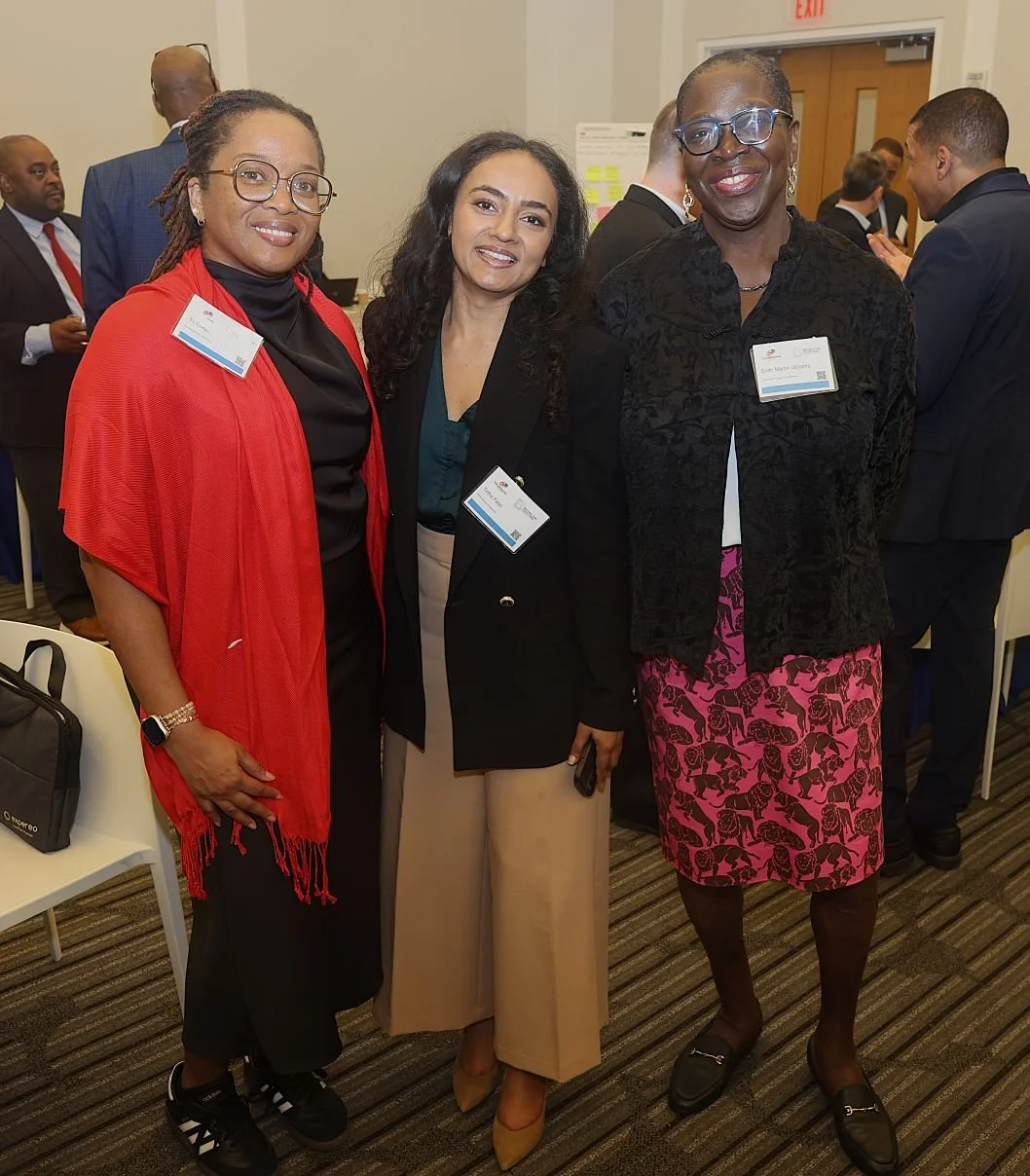
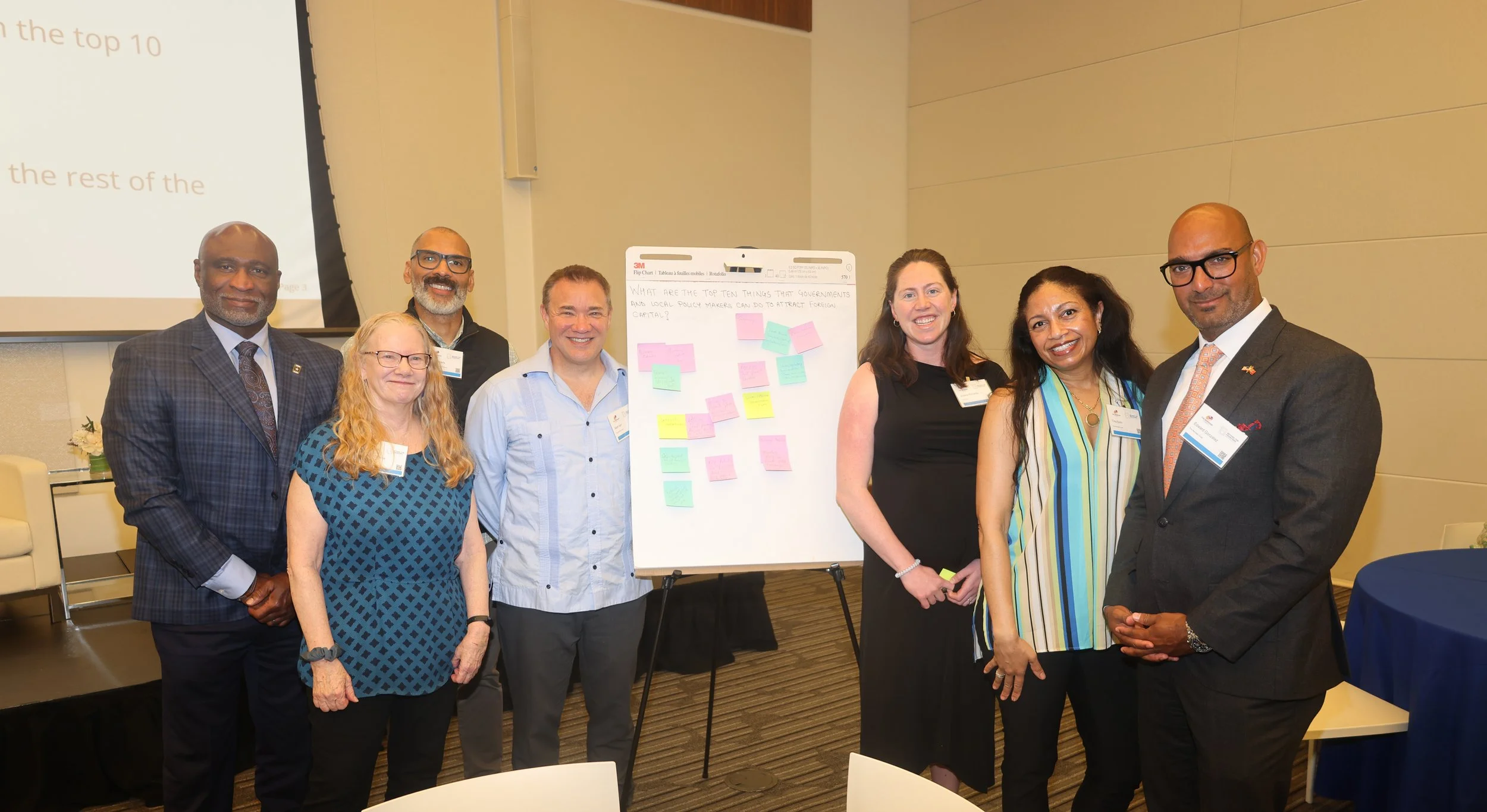
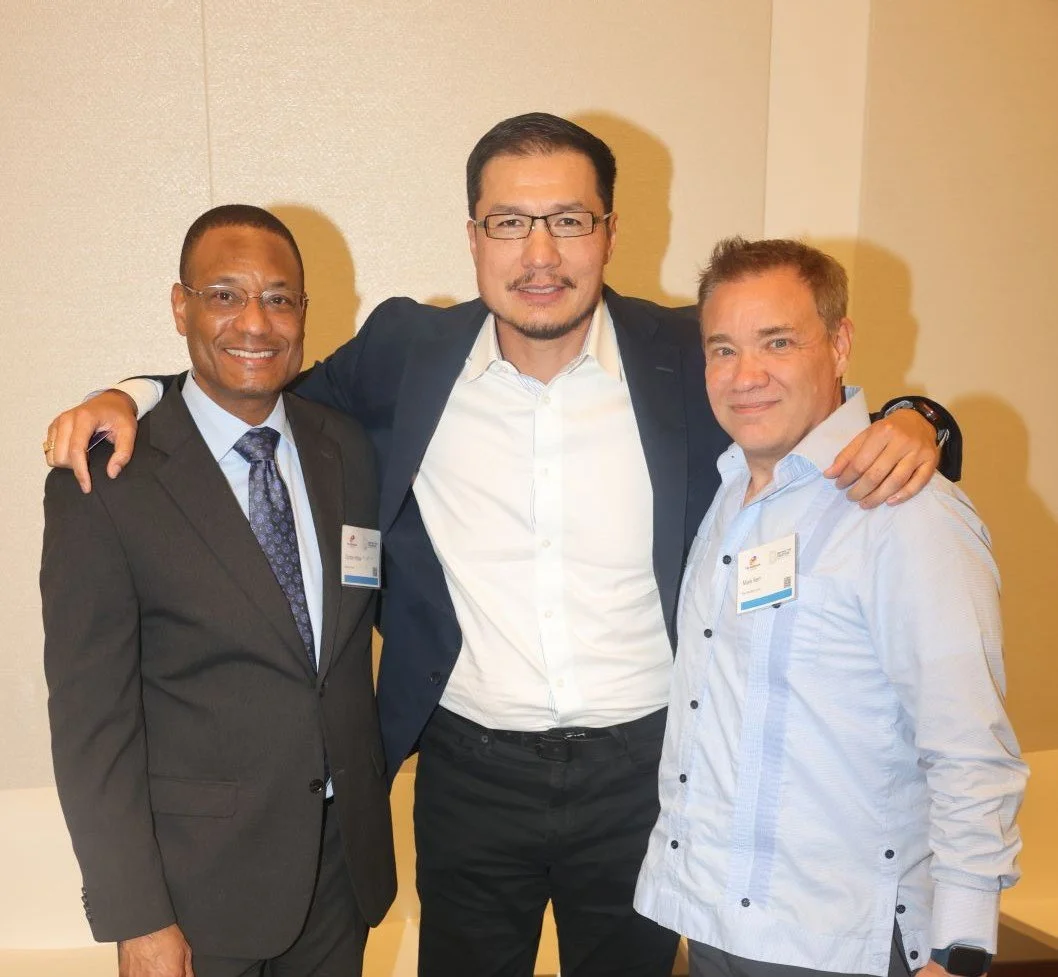
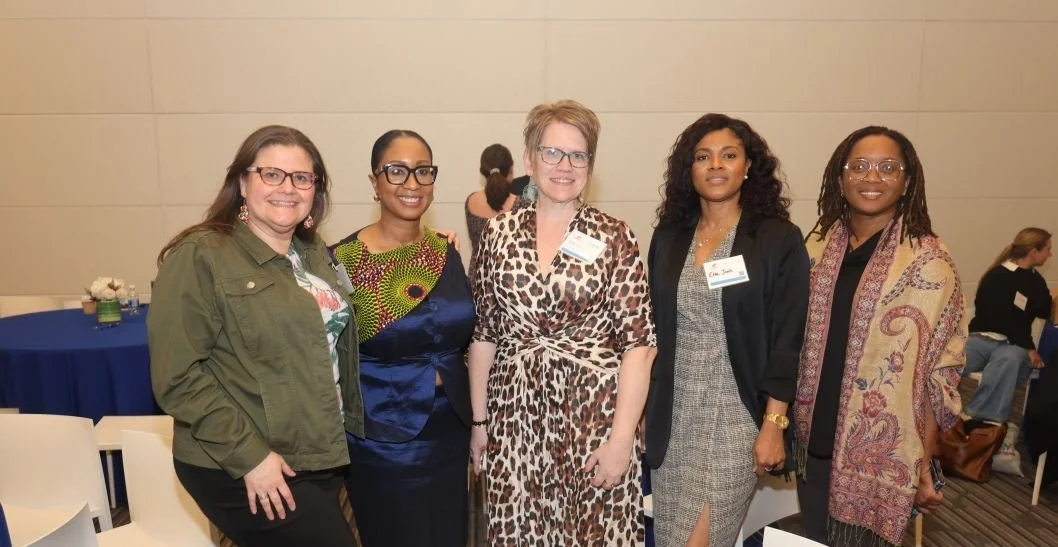
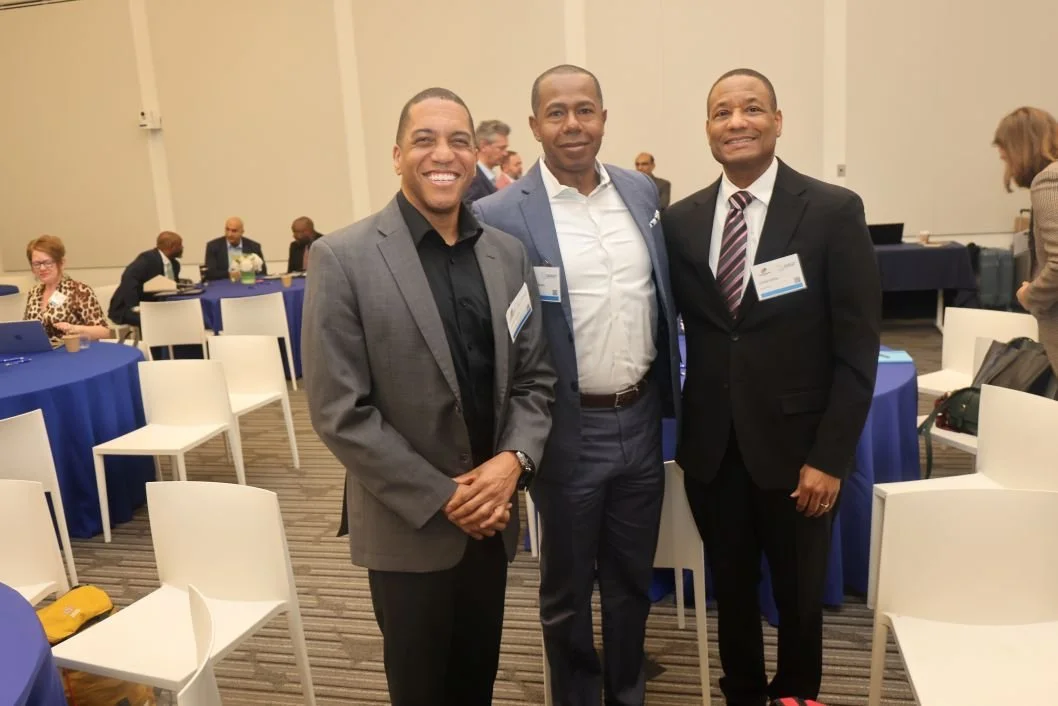
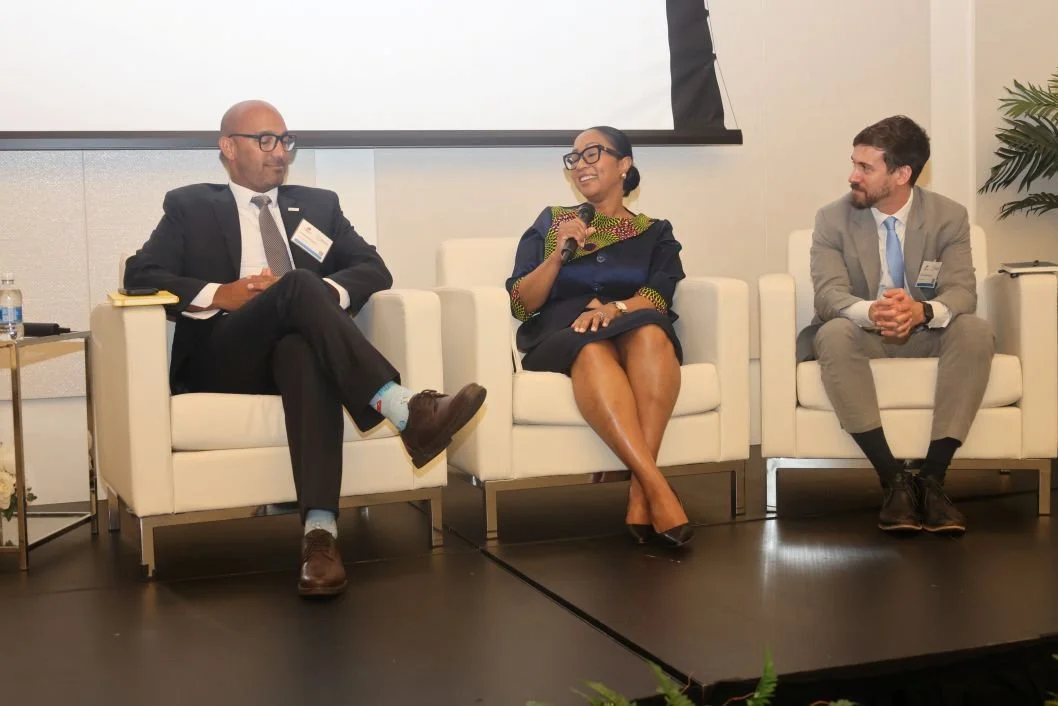
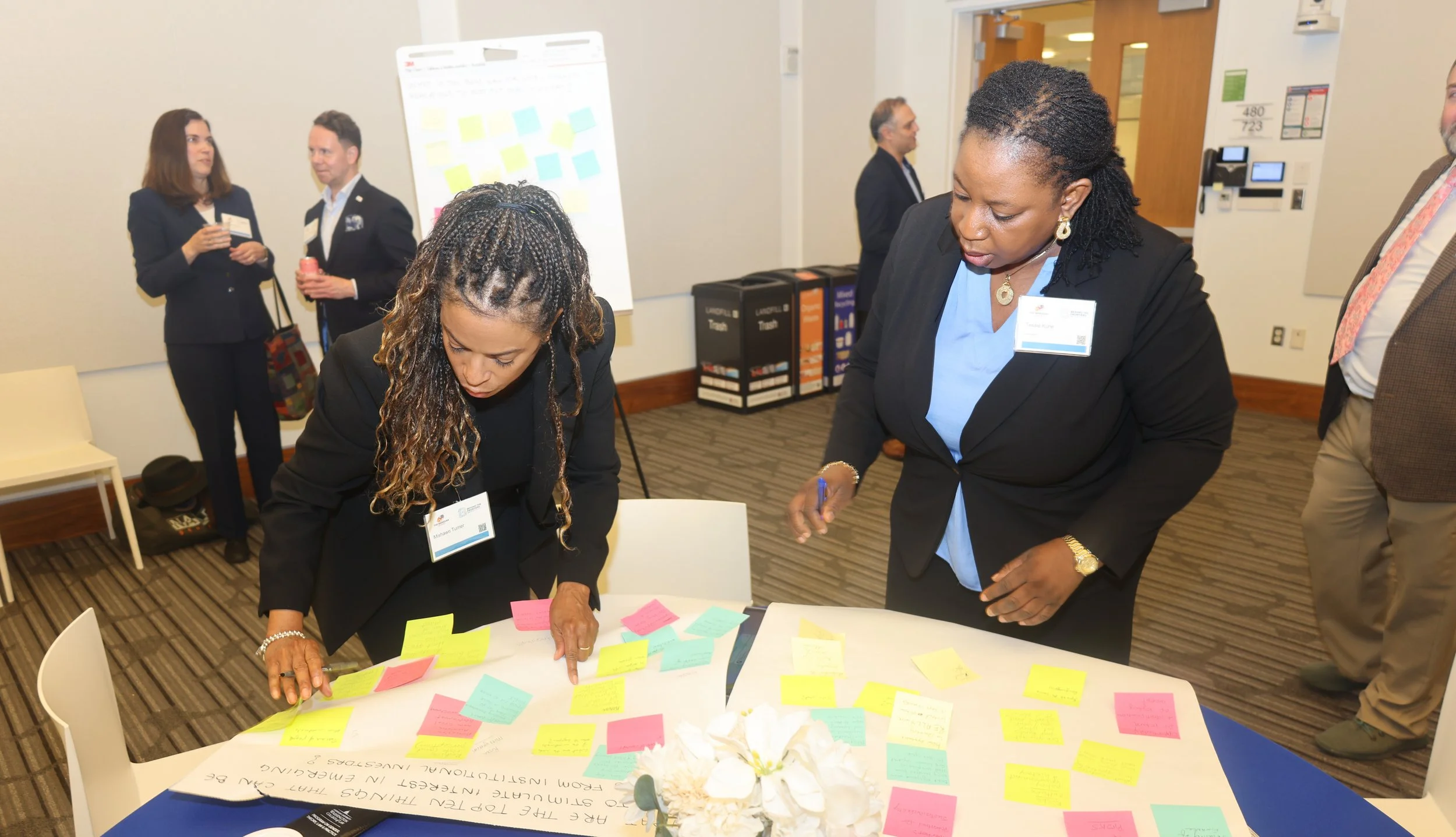
At the opening of Beyond the Frontiers 2026: The Wealth of Values, Mark Kerr, CEO of The Meridian Guild, set a tone that was both ambitious and grounded. His message was clear: this gathering is not meant to be another conference where people simply exchange ideas and move on. It is intended to function as a working summit, a space where expertise is activated, where partnerships begin, and where real-world problems are approached with seriousness and collective purpose.
That distinction matters.
In a global environment shaped by uncertainty, fragmentation, and overlapping crises, the old model of convening is no longer enough. It is not enough to gather experts in a room, celebrate insight, and leave with broad declarations. What is needed now are spaces where people are willing to engage deeply, challenge assumptions, and build together across disciplines, sectors, and geographies.
That is the real promise of Beyond the Frontiers.
From community to platform
Mark reflected on the rapid growth of The Meridian Guild, founded just last year in the wake of major institutional transition. In a short time, the Guild has grown into a community of more than 500 members across over 70 countries.
But the more important point was not numerical growth. It was conceptual.
The Guild, he said, is a platform. A platform for members to create projects, catalyze investments, build businesses, and convene conversations that matter. In other words, it is not simply a network for affiliation. It is infrastructure for collaboration.
That idea is especially relevant in this moment. Around the world, there is no shortage of talent, expertise, or vision. What is often missing is the connective tissue that allows people and institutions to find each other, trust each other, and act together. Platforms that can bridge this gap are increasingly important, especially when traditional systems are under strain or no longer fit for purpose.
Beyond sectors, toward systems
Perhaps the most significant idea in Mark Kerr’s opening remarks was the move from sector thinking to systems thinking.
The conference name, Beyond the Frontiers, is not only about frontier markets. It is also about frontier systems. This is a subtle but important shift.
For too long, institutions have approached problems in silos: health over here, finance over there, technology somewhere else, governance in its own category. But the world no longer behaves according to those neat divisions. Technology affects governance. Finance shapes development. Health outcomes are influenced by digital systems, institutions, infrastructure, and trust.
The challenges of our time are deeply interconnected. Yet many institutions still struggle to operate with that level of integration in mind.
This is precisely where new thinking is needed.
A systems lens does not reject sector expertise. It builds on it. But it asks a more difficult question: how do these domains interact, and what happens in the spaces where they collide? Those intersections are where many of today’s biggest risks and opportunities live.
The meaning of values in uncertain times
The second major anchor of Mark’s remarks was the conference theme itself: The Wealth of Values.
He spoke about values not as abstract ideals or decorative language, but as the principles that guide people and institutions when they are navigating unfamiliar territory. In that sense, values are most visible not when things are easy, but when conditions are uncertain.
This framing is powerful because it restores seriousness to a word that is often overused.
In many organizations, values appear in branding documents and mission statements, but disappear under pressure. Mark offered a different understanding. Values are what prevent panic in the unknown. They are what keep institutions oriented when the map is incomplete. They shape how decisions are made when there is no easy consensus and no obvious path forward.
That makes them strategic, not symbolic.
In a world increasingly defined by disruption, rapid technological change, geopolitical uncertainty, and institutional distrust, values are not soft assets. They are operating principles.
Rethinking wealth, power, and partnership
Mark’s reference to the anniversary of The Wealth of Nations added another layer to the conversation. By invoking Adam Smith, he was not celebrating an uncritical model of capitalism. Instead, he pointed to something often forgotten: that economic life, in Smith’s view, was inseparable from moral considerations.
This is an important intervention.
Too often, economic systems are evaluated only by efficiency, scale, or returns. But Mark’s remarks challenged that logic. The future, he suggested, must be built on stronger ethical foundations. The question is not simply how markets grow, but what kind of relationships they produce.
Do they extract, or do they empower?
Do they concentrate value, or create opportunity?
Do they weaken institutions, or strengthen them?
This is where the Meridian Guild is trying to position itself differently. Not as a closed circle guarding access, but as a network that expands opportunity and strengthens its partners. That is a meaningful distinction, especially in a global landscape where too many systems still reward asymmetry, gatekeeping, and short-term capture.
A conference shaped by contribution
Another compelling element of the opening remarks was the emphasis on the people in the room. Volunteers were recognized. Speakers and contributors were asked to stand. Expertise was treated not as a side feature, but as the engine of the summit itself.
That gesture reinforced the wider message: this conference is not about spectatorship. It is about participation.
And that may be one of the most important signals from Beyond the Frontiers 2026. The future will not be shaped only by institutions with the largest budgets or the loudest platforms. It will also be shaped by whether communities of practice can convene across difference, contribute across boundaries, and build trust strong enough to sustain action.
Trusted guides for the frontier ahead
Mark closed with a simple but resonant call: be trusted guides for each other.
That line captures the spirit of the conference beautifully. In times of complexity, no one holds the full map. But each person may hold part of it. The task is to recognize that shared responsibility and act accordingly.
That is what makes Beyond the Frontiers 2026 timely. It is not just asking what lies ahead in frontier markets or frontier systems. It is asking what kind of values, partnerships, and institutional imagination will be needed to get there well.
And perhaps that is the real wealth being explored this week: not only capital, knowledge, or networks, but the values that make meaningful progress possible.